
- Top
- Entertainment
- Kaishu Sano's early life and childhood
Kaishu Sano's early life, childhood and career in Japan
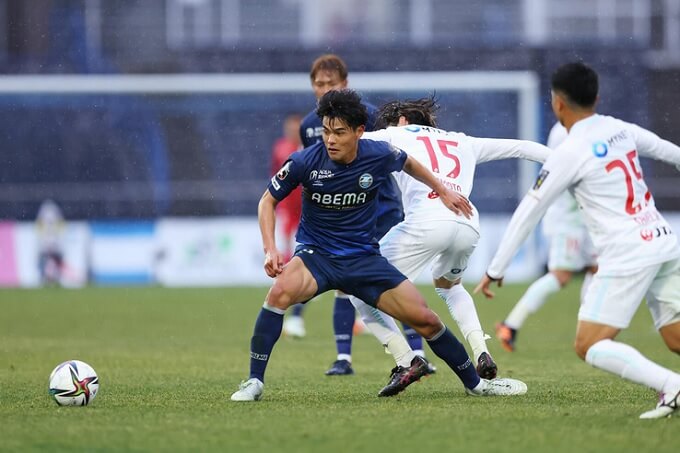
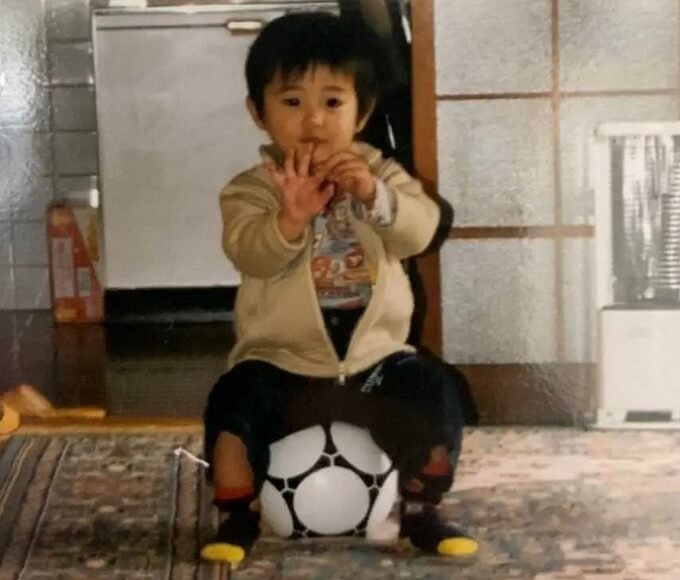
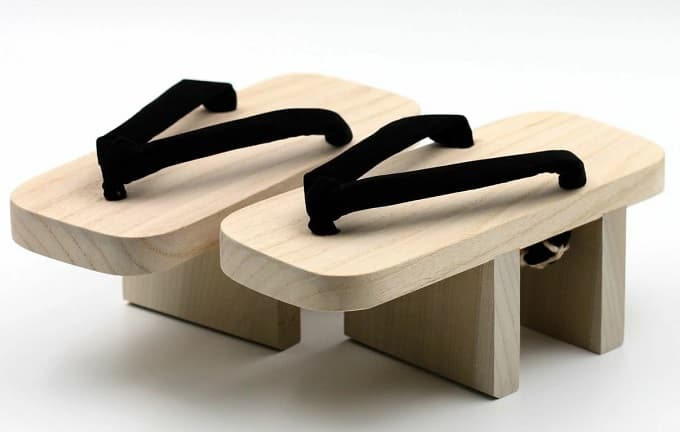
Kaishu grew up wearing geta!
Kaishu Sano(佐野 海舟 in kanji) was born on December 30, 2000, in Tsuyama City, Okayama Prefecture. His name, Kaishu, is derived from Katsu Kaishu, a prominent figure active from the late Edo period through the early Meiji era(from 1868 to 1912). Initially, he was supposed to be named Ryoma after the historical figure Sakamoto Ryoma, but his grandfather said, "I want him to live a longer life than Ryoma, who died young." For that reason, he was named Kaishu after Katsu Kaishu, Ryoma's mentor.
His father was a former ski athlete who had competed in the Inter-High School National Tournament and the National Sports Festival. After graduating from high school, he was invited by a friend to start playing soccer, and his athletic ability was so impressive that he was selected for the Okayama Prefecture futsal team. Kaishu's introduction to soccer came when his younger brother, Kodai, and some of his young teammates played with him while his father took him to practice.
His father said, "Kaishu had been kicking a ball since he was about three years old, and Koda since he was still in diapers. Both of them quickly became completely absorbed in soccer."
After that, Kaishu would kick a ball around in rice paddies, on roads, or anywhere he could find space. He also played various sports, such as baseball and dodgeball. He always played outdoors and never played indoors. Back then, he often practiced alone, unconsciously thinking things through and coming up with creative ways to play.
Furthermore, his father knew someone who had given up on a career as a professional soccer player due to a torn anterior cruciate ligament, and he mentioned to an athletic trainer acquaintance that this person had ingrown toenails. At that time, the trainer told him that "getting used to shoes from a young age can cause children to lose the ability to use their toes." Consequently, his father encouraged his sons to spend time barefoot or in geta to prevent injuries and develop a sense of balance.
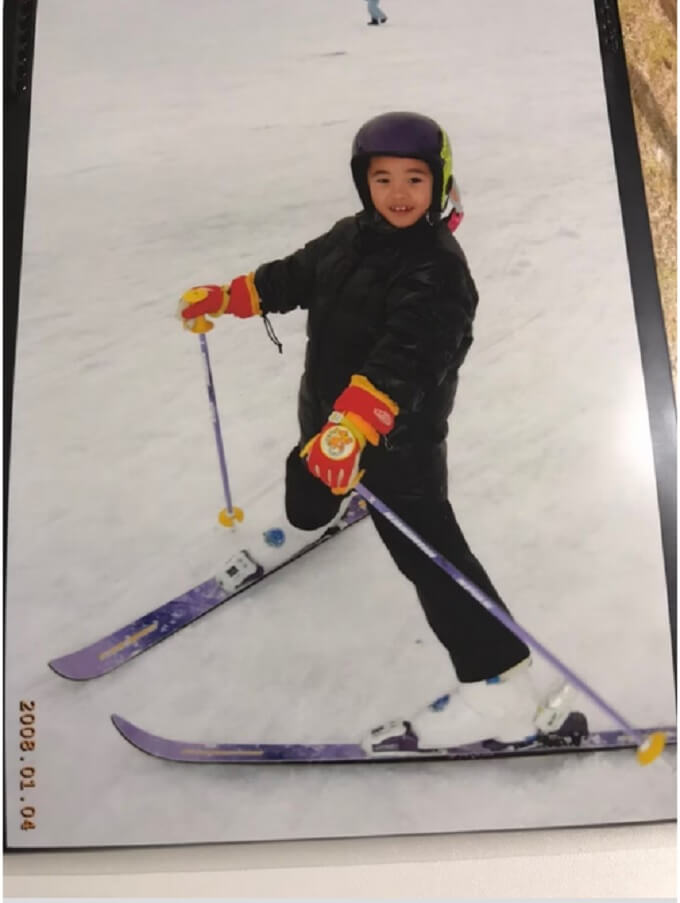
Geta are two-toed sandals made of paulownia wood; for the average person, shifting weight to the inside or outside causes a loss of balance, and the geta will slip right off the foot unless one grips the thong with their toes.At first, Kaishu's geta kept slipping off as well, but after a year, he had naturally mastered wearing them. It is said that even when he climbed the jungle gym at the park, rode the swings, or ran around playing tag, he never suffered a single injury, such as a sprain. Kaishu wore out five pairs of geta. By that time, his toes had become well-developed, and the soles of his feet appeared to be protected by thick calluses. Furthermore, he had developed strength and flexibility in his ankles, knees, and lower back.
When Kaishu entered elementary school, he joined FC Viparte—where his father served as coach—and began playing soccer in earnest. Even back then, his playing style was the same as it is today. He didn't join the tight clusters of players typical of youth soccer; instead, he waited in the back to pick up loose balls. He honed his ball-handling skills at FC Viparte, and even in middle school, though his play wasn't flashy, he stood out on the field. This was because he was skilled at intercepting passes that were intentionally played into open space and winning the ball through tactical duels with opponents.
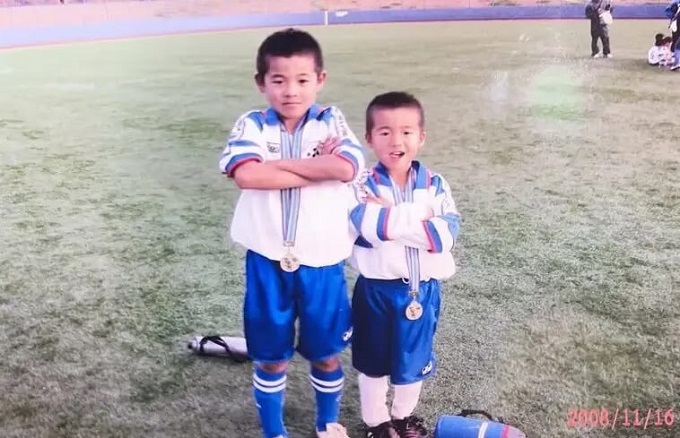
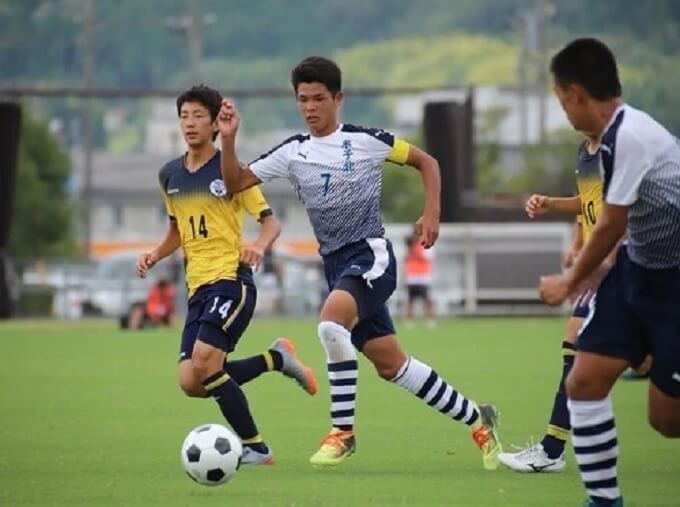
When Kaishu entered his third year of junior high school, he began participating in practices at Yonago Kita High School. He was deeply moved by the dedication of the Yonago Kita players to soccer, and on his way home, he decided to enroll there. The coach at the time described him as "slender but with solid fundamental skills." After entering high school, the coach often observed that, even as a freshman, Kaishu was able to win the ball and, for some reason, the ball seemed to roll right to him. As a result, Kaishu was selected to play in matches. He quickly helped balance the team's offense and defense and performed so well that he immediately became a regular starter.
In the main tournament of the National High School Championships, Yonago Kita High School faced off against powerhouse Aomori Yamada High School in the quarterfinals. Kaishu, a first-year defensive midfielder, was matched up against older players who had already secured professional contracts, but he didn't back down an inch in one-on-one battles or when competing for loose balls. Although Yonago Kita High School lost, Kaishu—despite being a first-year student—expressed genuine regret in an interview, saying, "If I had played better, we could have won. I could have done more."
Starting in his sophomore year of high school, Kaishu played in the "Takamado Cup Premier League U-18," the top competition for high school players, and began to attract the attention of professional scouts. Then, during his senior year, he secured a pre-contract offer from FC Machida Zelvia. Despite playing at full intensity from his freshman year onward, he never suffered a single injury during his three years of high school. One key factor in this was undoubtedly the strength in his ankles and the calloused soles of his feet, which he had built up by wearing geta.
Kaishu joined FC Machida Zelvia in 2019. He made his professional debut as a substitute in a match on May 5 and scored his first professional goal the following year. After transferring to Kashima Antlers in 2023, he immediately secured a spot in the starting lineup. That season, he appeared in 27 league matches and was named to the JPFA Awards J1 Best Eleven. On July 3, 2024, he transferred to 1. FSV Mainz 05 of the Bundesliga.
Incidentally, his younger brother, Kodai, took his older brother Kaishu's place and enrolled at Yonago Kita High School. Although his team narrowly missed the title and finished as runners-up at the 2021 National High School Championships, he was named one of the tournament's outstanding players. He joined Fagiano Okayama for the 2022 season and transferred to NEC Nijmegen in the Netherlands in 2023.
sources
- Kaishu Sano's early life
- Yukinari Sugawara's early life
- Shuto Machino's early life
- Hidemasa Morita's early life
- Ko Itakura's early life
- Kota Takai's early life
- Ao Tanaka's early life
- Ayase Ueda's early life
- Daizen Maeda's early life
- Daichi Kamada's early life
- Kaoru Mitoma's early life
- Reo Hatate's early life
- Ritsu Doan's early life
- Takefusa Kubo's early life
- Takehiro Tomiyasu's early life
- Takumi Minamino's early life
- Wataru Endo's early life
